How to Improve Paid Advertising on Meta?
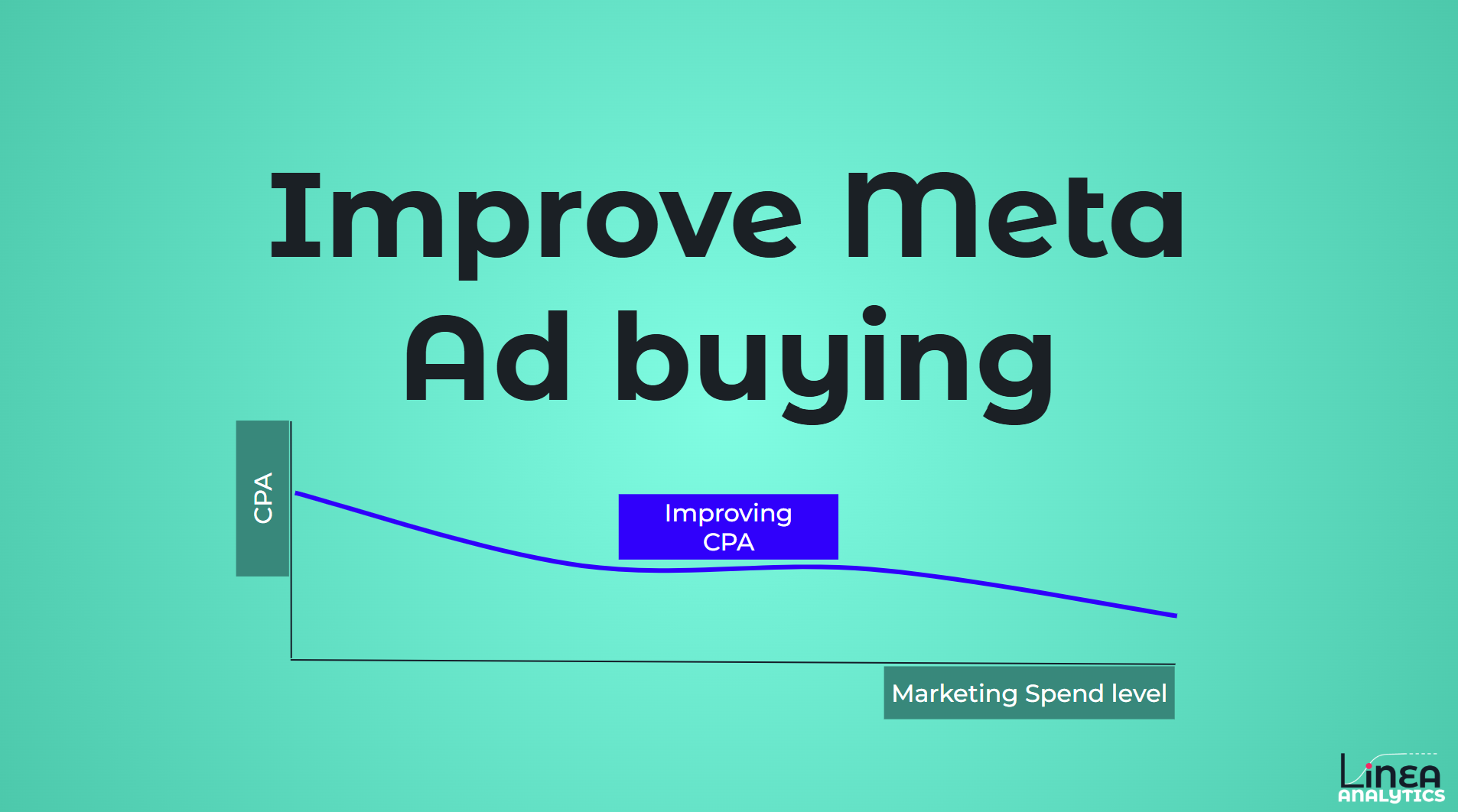
As experts in marketing measurement we work with a number of brands who are spending significant sums on paid advertising on Meta.There is no doubt that Meta’s advertising can be highly effective.
But one thing we keep seeing is teams using Meta’s own optimisation algorithm to decide which creative, placement or audience to allocate media budgets . In my experience that is far from optimal for many brands.
Meta’s ad buying algorithm works well in a narrow scenario: single channel, short-term objectives. If you go beyond that your Meta advertising can encourage brands to allocate spend on limited information.
Let's have a look at three ways to better set up your Ad Manager results fall short in three key areas:
1️⃣Missing purchases beyond the website (Think Amazon, third-party retailers, or in-store)
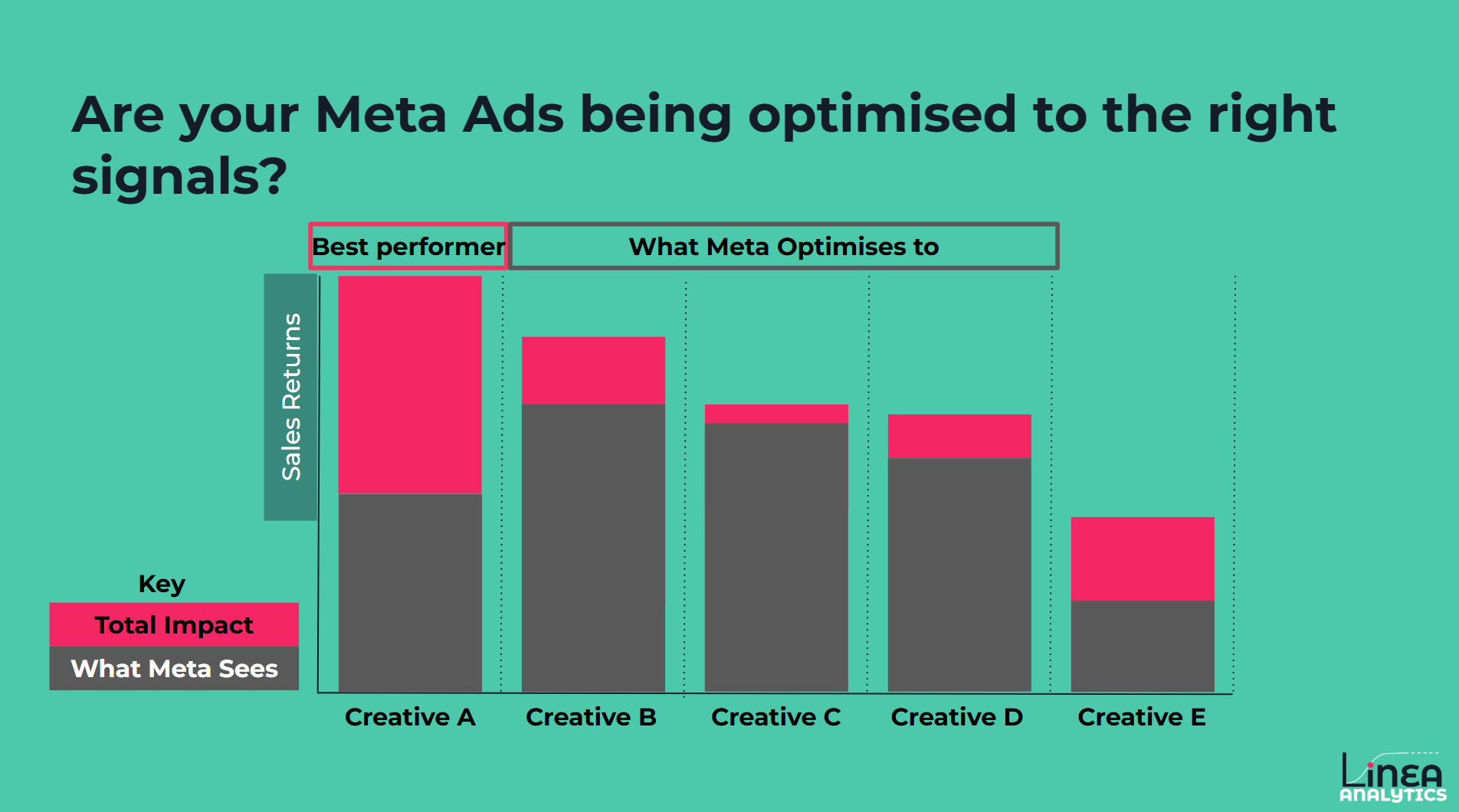
In the image example, Meta optimises towards campaigns B–D because they appear, according to what Meta can see, to drive stronger returns.
But in reality, Campaign A is generating the greatest total impact. When sales across direct, third party and retail are included. With incomplete visibility, budgets are pushed towards activity delivering significantly less real value. With this in mind Meta Ad buyers should take into account the broader impact of each campaign on
2️⃣Ignoring longer-term impact
This impact comes in 3 forms.
- With a 7 or 30-day attribution window, optimisation is driven by short-term signals.
- With a focus on last click conversion not the ad that is contributing to overall purchase (i.e. where your Meta ad was the last touch point before purchase)
- With a focus on Post click rather than total conversion (i.e. Post click + Post Impression)
If your product has a longer consideration cycle, this creates an issue. You end up undervaluing campaigns that influence future demand and overvaluing those capturing existing intent.
Optimising towards these short term signals can again be used to move budget towards creative that are not contributing to overall impact
3️⃣Optimising for low-quality conversions
This is the biggest risk. Conversion optimisation often targets users already close to purchase, effectively claiming credit for actions that would have happened anyway.
Similarly brands know that not all conversions are equal. Feeding in data around the quality of conversions becomes equally important. A customer who has a £100 LTV is much more valuable than a one time purchase.
This Customer value is even more important if you are a brand that is not “first purchase profitable”. This is where the cost to acquire customers exceeds the profit you gain from the first purchase. In this example, improving your Ad buying to focus on the type of customers who will make repeat purchases becomes even more important.
The role for incremental measurement
This is exactly why we believe incremental measurement is critical. This typically takes 2 forms depending on your question
➡️ Experiments can measure the incremental impact of specific campaigns or channels across all of your routes to purchase
➡️ Marketing Mix Modelling can quantify the incremental contribution of multiple channels, while accounting for factors such as promotions, seasonality and wider market changes.
By focusing on true incremental impact, you can:
- Separate incremental growth from underlying demand
- Make better, more confident budget decisions
- Allocate to campaigns that maximise business outcomes.
I wouldn’t recommend making serious decisions on incomplete data.